Health and Safety Policy for End of Tenancy Cleaning London
 Purpose and scope: This policy sets out the health and safety standards for all end of tenancy cleaning London services and associated move-out cleaning operations. It applies to employees, contractors and supervisors engaged in tenancy exit cleaning London and aims to protect people, property and the environment. The policy emphasises risk-aware cleaning practices, correct use of equipment and safe handling of cleaning products.
Policy statement: We are committed to maintaining a safe working environment during every end-of-tenancy clean. Our approach balances efficient cleaning with robust safety measures, ensuring staff wellbeing, client property protection and prevention of cross-contamination. All personnel must follow the procedures set out here and report hazards promptly.
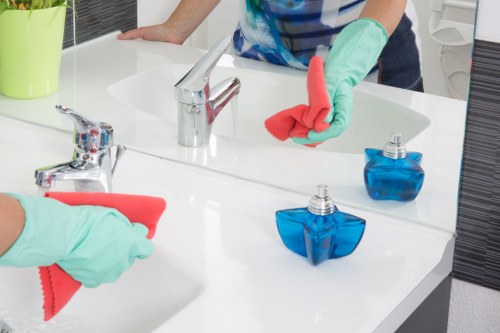 Responsibility and accountability: Management has overall responsibility for implementing this health and safety policy. Supervisors are responsible for day-to-day enforcement, and operatives delivering move-out cleaning London are responsible for following safe systems of work. Everyone must co-operate to maintain safe premises and use protective equipment appropriately.
Risk assessment and safe working procedures
Before starting any tenancy cleaning service, a visual assessment of the property is required to identify slip, trip and fall risks, fragile fixtures, electrical hazards and areas that need specialist cleaning methods. Risk assessments should be recorded and communicated to the cleaning team. Where hazards are identified, control measures must be implemented to reduce risk to an acceptable level.
Control measures include appropriate ventilation, containment of dust and debris, clear signage where wet floors are present and the use of mechanical aids for heavy loads. For specialist tasks such as deep carpet extraction or oven degreasing during an end of tenancy clean, task-specific safety steps should be followed.
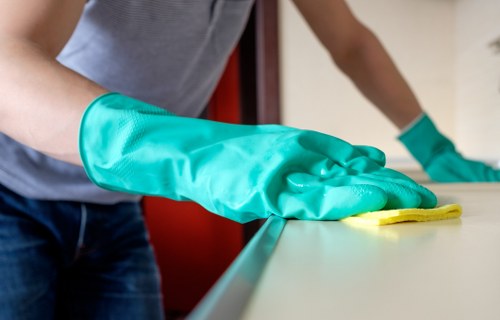 Personal protective equipment: Appropriate PPE must be worn for tenancy exit cleaning London tasks. Typical PPE includes gloves, eye protection, slip-resistant footwear and, where required, respiratory protection for dusty or fume-prone operations. PPE must be maintained, replaced when damaged and used in conjunction with other controls rather than as the sole protection.
Safe handling of chemicals and equipment
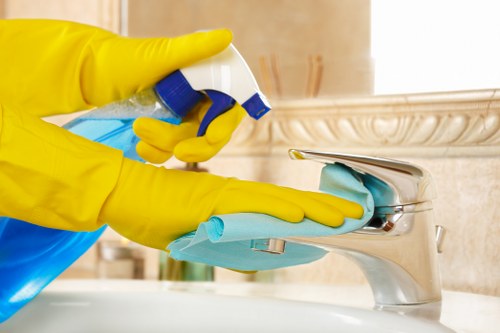
Chemicals used in end-of-tenancy cleaning should be selected for effectiveness and safety. Where possible, choose low-toxicity, biodegradable products. Products must be used in accordance with manufacturer guidance. Mixing of chemicals should be avoided unless following explicit instructions. Spill kits should be available and staff trained to manage accidental releases.
Electrical equipment and cleaning machines must be inspected before use and maintained in good condition. Portable appliance checks, when applicable, along with appropriate isolation, should be part of routine pre-use checks. Trailing cables should be avoided and lifts used for heavy equipment where available to prevent manual handling injuries.
 Manual handling and ergonomics: Many end of tenancy cleans involve lifting, moving furniture and repetitive tasks. Implement safe lifting techniques, use trolleys and team lifts for heavy items, and rotate tasks to reduce repetitive strain. Providing training on ergonomics helps prevent musculoskeletal injuries during move-out cleaning London operations.
 Training and competence: Staff must receive training on safe working practices, correct use of PPE, chemical awareness and emergency procedures. Refresher training should be scheduled regularly to maintain competence. Supervisors must verify that operatives are competent for tasks assigned, particularly for specialist cleaning procedures.
Emergency procedures and first aid: Clear procedures for emergencies such as chemical exposure, fire or injury must be in place. First aid kits should be accessible, and at least one person on each job should be trained in basic first aid. Emergency contact steps and building evacuation routes must be known to all operatives prior to commencing a tenancy exit clean.
Incident reporting and continuous improvement: Any accident, near miss or unsafe condition discovered during an end of tenancy cleaning job must be reported immediately. Incidents should be recorded, investigated and followed up with corrective actions. Regular safety reviews and feedback loops help improve procedures and reduce risks over time.
Environmental and waste considerations: Waste generated from move-out cleaning London should be disposed of responsibly. Segregate recyclable materials, avoid discharge of hazardous substances to drains and follow local waste handling practices. Where possible, adopt low-impact cleaning methods and products that reduce environmental harm while maintaining cleanliness standards.
Client responsibilities and site access: Clients should declare known hazards at the property and provide reasonable access to utilities. Where properties contain asbestos, sharps or other specific hazards, these must be disclosed before work begins so that appropriate precautions can be taken.
Monitoring and review: This health and safety policy should be reviewed periodically to reflect changes in cleaning methods, equipment or materials. Regular audits and on-site checks ensure compliance and identify opportunities for enhanced safety in end of tenancy cleaning services.
Key safety checklist:
- Pre-task risk assessment completed
- PPE available and used
- Safe handling of chemicals and spill kit in place
- Equipment checks and safe manual handling procedures followed
- Emergency and first aid arrangements known
By adhering to these principles—combining clear procedures, appropriate training and responsible product and equipment choices—providers of end of tenancy cleaning London, tenancy exit cleans and move-out cleaning services can deliver high standards of cleanliness while protecting people and property.
Commitment: Everyone involved has a role in maintaining safety. Continuous vigilance, communication and adherence to this policy create a reliable framework that supports safe, effective and professional end-of-tenancy cleaning operations.